
'/%3E%3C/svg%3E)

Product Review:
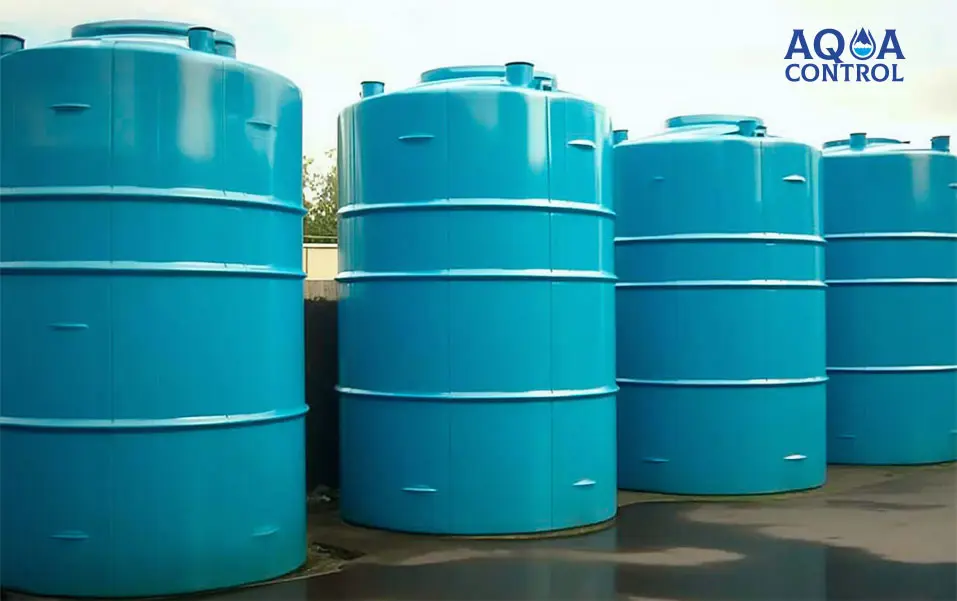
Up flow anaerobic sludge blanket technology combines the characteristics of anaerobic filtration and anaerobic activated sludge. It enables it to transform effectively the wastewater pollutants into renewable clean energy called biogas. It demonstrates high adaptability to wastewater containing various solids contents, and its design, operation, maintenance and management are rather simple. In addition, the UASB process is cost-effective and well proven, earning increasing attention and widespread application in the wastewater treatment industry.
Application spere of MBR system includes: Upflow Anaerobic Sludge Bed (UASB) technology has been successfully implemented in wastewater treatment in various industries including papermaking, food processing, brewing, landfill waste treatment, citric acid production, pharmaceuticals and chemical engineering.
UASB reactor design enables processing of extremely high organic matter concentrations in a limited space. Highly precise upflow distribution prevents washout of active sludge granules. Our biogas recovery solutions reduce the plant’s carbon footprint, guaranteeing the achievement of design performance for deep anaerobic treatment.
 Address
Uzbekistan, Tashkent region, Bostanlyk district, Yoshlik MFY, Farogat str., 20A
 Phone numbers
 E-mail
info@asmex.uz
 Linkedin
 Instagram
 Telegram
 Download the catalog