
'/%3E%3C/svg%3E)



Product Review:
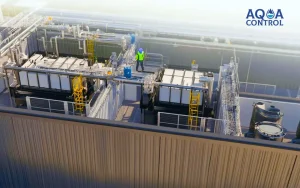
Sodium hypochlorite is a strong oxidizing agent and a sanitizing agent produced by electrolysis of widely available and low cost industrial salt or seawater in a diaphragm-free process. This unit adds and utilizes simultaneously sodium hypochlorite generated in production process to ensure freshness and high activity of sodium hypochlorite. Compared to chlorine and chlorine-containing compounds, sodium hypochlorite contains similar oxidizing and sanitizing properties. This unit is mainly used to treat wastewater containing bacteria in hospitals, wastewater containing cyanide in galvanizing processes, and can also be used to sanitize swimming pools, drinking water, domestic wastewater, and to sterilize dishes and cutlery in food processing, medical facilities, catering facilities and canteens.
We handle the full engineering and system design cycle, tailoring the system’s performance to your specific needs. Highly accurate control of current parameters and salt concentration guarantees a stable active chlorine output. Our technological solutions allow for fully automated disinfection, providing a legal and technical guarantee of compliance with water treatment sanitary standards.
 Address
Uzbekistan, Tashkent region, Bostanlyk district, Yoshlik MFY, Farogat str., 20A
 Phone numbers
 E-mail
info@asmex.uz
 Linkedin
 Instagram
 Telegram
 Download the catalog