
'/%3E%3C/svg%3E)



Product Review:
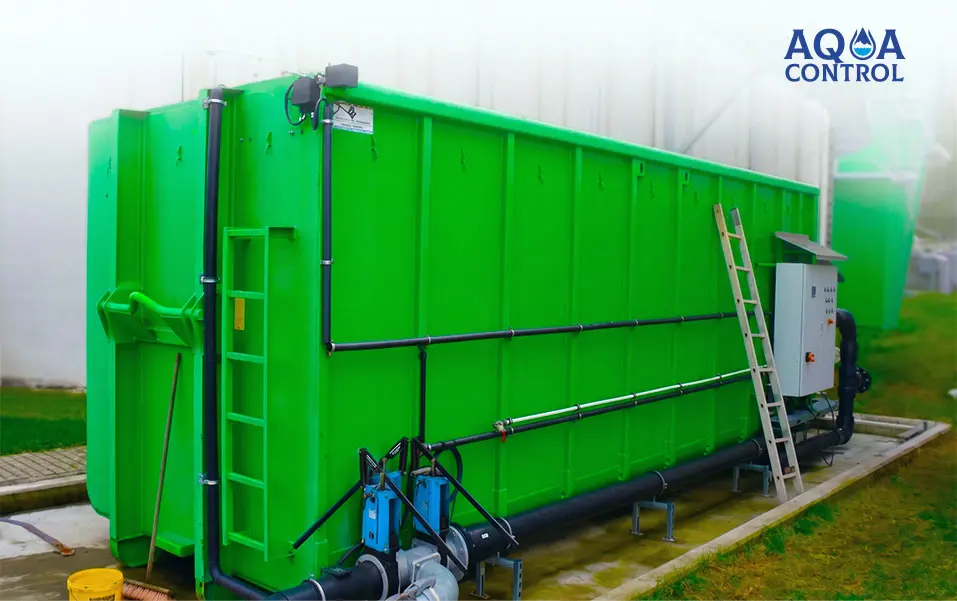
Flotation plants are basically used for separation of solid and liquid phases. They create many small air bubbles dissolved in water via a special release system. These bubbles bind to solid particles or liquid contaminants in wastewater with a density close to water.
Due to their floatation, these particles float on the surface, and thereby achieve the solid-liquid separation purpose.
Application Sphere:
Flotation machines are used in water treatment for the following applications:
Removal of suspended solids, algae and other microaggregates from wastewater. Extraction of high value substances from industrial wastewater, e.g. in pulp and paper industry.
The design of the hydraulic saturation circuit ensures maximum water saturation with low energy consumption. Highly accurate flotation cell assembly eliminates turbulence, which interferes with sludge aeration. Microbubble aeration technology guarantees the removal of up to 99% of free fats and suspended solids.
 Address
Uzbekistan, Tashkent region, Bostanlyk district, Yoshlik MFY, Farogat str., 20A
 Phone numbers
 E-mail
info@asmex.uz
 Linkedin
 Instagram
 Telegram
 Download the catalog